Licensed rubbish clearance Haringey insurance and safety
Posted on 30/10/2026
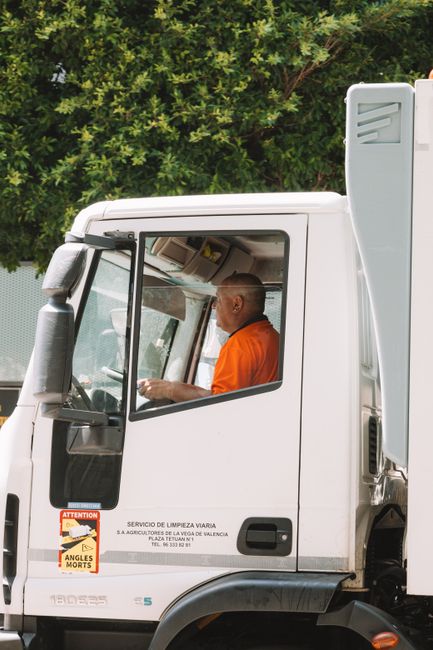
If you are arranging a clearance in Haringey, the tempting part is usually the speed: one call, one visit, one van, and the mess is gone. But the part that really protects you is less glamorous. Licensed rubbish clearance Haringey insurance and safety is about making sure the job is done legally, carefully, and without nasty surprises if something goes wrong. That matters whether you are clearing a house, dealing with builders' waste, or emptying an office after a move. In a busy borough, where access can be tight and properties can be awkward, the safest choice is often the smartest one too.
This guide breaks down what a licensed and insured clearance service should actually do, how safety works in real life, what to check before booking, and how to avoid the common mistakes that leave people stressed out and out of pocket. Not exactly thrilling reading, granted, but very useful.
- Why licensed rubbish clearance, insurance and safety matter
- How the process works in practice
- Key benefits and practical advantages
- Who this is for and when it makes sense
- Step-by-step guidance
- Expert tips for better results
- Common mistakes to avoid
- Tools, resources and recommendations
- Law, compliance and best practice
- Options and comparison table
- Case study example
- Practical checklist
- Conclusion
- Frequently asked questions
Why Licensed rubbish clearance Haringey insurance and safety Matters
Rubbish removal looks simple from the outside. A team turns up, loads everything, and drives away. Yet the reality is messier. There are sharp edges, awkward stairwells, heavy lifting, fragile surfaces, parked cars, shared entrances, and sometimes waste that needs extra care. If a company is not properly licensed or insured, the risk can land on you.
That is the part many people overlook. If waste is fly-tipped, mishandled, or removed by an untraceable operator, the paperwork and responsibility can come back to the person who arranged it. And if someone gets injured while moving a wardrobe down a narrow hallway, or a wall is scuffed in the process, insurance is what turns a bad day into a manageable one.
In Haringey, safety and compliance matter even more because many jobs involve terraced homes, flats above shops, tight front gardens, controlled parking, and shared access routes. One small mistake can block a neighbour, damage a stairwell, or create a trip hazard in seconds. You know the sort of thing: a mattress leaning half out of a doorway while someone tries to squeeze past with a bin bag. Not ideal.
Licensed clearance also matters for the environment and for peace of mind. A legitimate operator should sort, reuse, recycle, or dispose of waste properly, rather than using the cheapest possible shortcut. That is better for the borough, better for your reputation if you are a business, and frankly better for everyone living nearby.
Practical takeaway: the cheapest quote is not always the safest quote. When clearance work involves access issues, heavy items, or mixed waste, licence, insurance, and method matter just as much as price.
If you are comparing options, it can help to start from the wider picture of the full service range available in Haringey and then narrow down to the level of protection you need.
How Licensed rubbish clearance Haringey insurance and safety Works
The process is straightforward when it is done properly. It usually begins with identifying the waste, the access route, and any special risks. That might be broken furniture, garden waste, office equipment, builder's rubble, or a full house clearance after a move. From there, a responsible team decides how many people are needed, what vehicle fits, and what safety measures should be in place.
Licensed waste carriers should be able to explain how waste will be removed, transported, and handed over for processing. Insurance should sit quietly in the background, ready to protect both the customer and the crew if there is accidental damage or an injury incident. Safety is not one single thing; it is a chain of habits. Gloves, lifting technique, clear walkways, protective gear, careful loading, and sensible communication all play a part.
For customers, the job is mostly about giving clear information. If you mention the wrong thing as a small pile of junk and it turns out to be several bulky items plus access down three flights of stairs, the plan changes. That is not the end of the world, but it should be priced and handled honestly. A decent company will ask follow-up questions rather than guessing.
There is also a difference between a quick clearance and a carefully managed one. The quick one gets stuff out the door. The careful one protects floors, avoids knocks on the banister, leaves the hallway usable, and deals with awkward items without drama. To be fair, that is the kind of difference you only notice when something has gone wrong before.
If your clearance is tied to a renovation, the specialist route can help. For example, builders' waste disposal in Haringey often needs a different loading approach from a standard household clearance because the materials are heavier, dustier, and harder on surfaces.
Key Benefits and Practical Advantages
Good licensing, insurance, and safety procedures are not just box-ticking. They improve the whole experience.
- Less risk of damage: floors, walls, lifts, and stair rails are more likely to be protected when the team plans the job properly.
- Reduced personal liability: insurance can help if something is accidentally broken or someone is hurt during the job.
- Better handling of awkward waste: heavy, dirty, or bulky items are less likely to become a hazard.
- Cleaner results: a well-run job leaves the property safer and easier to use afterwards.
- More reliable pricing: clear questions up front reduce the chances of hidden extras later.
- Peace of mind: you can get on with your day instead of wondering whether the van is going to dump the waste somewhere questionable.
For families, the practical win is often simple: no more sitting next to a pile of old furniture for another week because nobody wanted to handle it safely. For businesses, the win may be even bigger, because office or shop clearance has to happen without disrupting staff, customers, or building access. If you are sorting a work premises, office clearance in Haringey is typically less about brute force and more about timing, care, and professionalism.
Another useful benefit is better alignment with sustainability. A licensed operator is far more likely to route recyclable material correctly and separate reusable items where possible. If that matters to you, it should, you may want to look at recycling and sustainability practices before booking.
Who This Is For and When It Makes Sense
This topic matters to a lot more people than you might think. It is not only for large commercial jobs or renovation sites.
- Homeowners clearing clutter: especially where large items need moving through tight rooms or stairs.
- Landlords and letting agents: end-of-tenancy clearances can involve mixed waste, furniture, and fast turnarounds.
- Businesses: offices, retail units, and hospitality spaces often need quiet, controlled removals.
- People moving home: moving day already feels hectic, so safety and insurance are one less thing to worry about.
- Builders and trades: rubble, timber, packaging, and offcuts need proper handling and lifting practices.
- Anyone with access issues: narrow roads, parking limits, shared entrances, or basement access all make licensed, insured handling more important.
In Haringey, these scenarios come up constantly. A flat near a busy high road is not the same as a house with a driveway. A garden clearance after a wet spell is not the same as a single sofa lift. Different job, different risks, different plan. That sounds obvious, but it is often where people get caught out.
For householders dealing with seasonal mess, a dedicated garden waste removal service in Haringey can be the safer choice when there are branches, soil bags, damp material, or tools left lying around.
And if your clearance is part of a property transition, a bit of context helps. Some readers find it useful to understand the local movement of homes and buildings through posts like navigating the Haringey property market or the N17 rubbish clearance guide for house movers.
Step-by-Step Guidance
If you want to choose a safer clearance service, follow a simple process. Nothing fancy. Just sensible checks.
- Describe the waste clearly. Say what needs removing, how much there is, and whether anything is heavy, sharp, wet, or awkwardly shaped.
- Explain the access. Mention stairs, narrow passages, parking restrictions, lifts, or shared entrances. This is where many quotes change.
- Ask about licensing. A legitimate waste carrier should be able to explain that they are authorised to transport waste.
- Ask what insurance covers. You are looking for protection against accidental damage and, where applicable, public liability risks.
- Check how the crew works safely. Ask about lifting methods, protective equipment, and whether they will protect floors or walls when needed.
- Confirm what happens to the waste. Good operators should be able to explain sorting, recycling, and lawful disposal in plain English.
- Get the quote in writing. That helps avoid confusion over labour, loading time, or extra items.
- Make the site ready. Clear paths, unlock gates, move pets, and keep children away from the work area.
That last step sounds minor, but it can make a real difference. A tidy route reduces trip hazards and speeds everything up. Less time carrying items around corners means less risk of bumps and bruises. Simple, really.
If you want a broader view of what is offered before you book, it is sensible to review your rubbish removal needs first, then match the right type of clearance to the job.
Expert Tips for Better Results
A few practical habits can improve both safety and value. These are the kind of details that save time on the day.
- Photograph the waste before booking. It helps the team assess volume and access more accurately.
- Separate hazards early. Broken glass, loose screws, paint tins, and wet waste should not be mixed casually with general items.
- Keep a clear hallway and landing. Even a small clear path makes manual carrying safer.
- Ask about two-person or larger crew options. Heavy furniture and narrow stairs are not a one-person job, no matter how optimistic the van looks.
- Be upfront about parking. In Haringey, parking can be the difference between a neat job and a chaotic one.
- Use the job as a chance to declutter properly. It is easier to dispose of unwanted items if you decide what stays before the crew arrives.
One thing we often tell people is this: do not wait until the last ten minutes to mention a shed full of broken chairs or a surprise pile in the loft. Those last-minute discoveries are how quotes become awkward. Not dramatic, just awkward.
For business customers, timing matters too. A clearance scheduled outside opening hours or during a quieter window often reduces disruption and the chance of accidents. If you operate locally, this guide to rubbish clearance for Haringey businesses on Tottenham High Road is worth a look for planning ideas.

Common Mistakes to Avoid
The biggest mistakes are usually the simplest ones.
- Choosing only by price. A bargain quote means little if the company is uninsured or careless on site.
- Not checking what is included. Some quotes exclude stairs, heavy lifting, or certain waste types.
- Ignoring access problems. A van can be ready, but if the road is awkward or parking is impossible, the job gets harder fast.
- Mixing safe waste with hazardous waste. That can create handling issues and may require a different disposal route.
- Leaving fragile surfaces unprotected. Bare floors and fresh paint do not enjoy repeated furniture knocks. Understandably.
- Failing to ask for proof of insurance or licensing. If a company hesitates, that is a pretty loud clue.
Another common error is assuming every clearance company works the same way. They do not. Some focus on speed, others on careful labour, others on full-service property clearances. The right fit depends on the property, the waste type, and how much risk you are willing to carry.
For anyone trying to compare costs more intelligently, the real cost guide for rubbish clearance quotes in Haringey can help you understand why one quote may look lower at first glance.
Tools, Resources and Recommendations
You do not need specialist equipment to book a safer clearance, but a few practical tools help.
- Phone camera: useful for showing the load, access points, and any damage concerns before the team arrives.
- Measuring tape: especially helpful for sofas, wardrobes, appliances, and narrow doors.
- Notepad or phone notes: keep a simple list of items to remove so nothing gets forgotten.
- Bins or bags: useful for smaller loose items, screws, paperwork, and debris.
- Basic protective thinking: if you are moving items yourself before the crew arrives, wear suitable footwear and do not overreach.
In terms of reading material, the most practical next steps are often the ones close to your own situation. If your job is a home clearance, take a look at house clearance in Haringey. If it is a larger mixed-waste job, waste removal in Haringey may be the better starting point. And if you simply want to understand the company better, about the business pages usually tell you a lot about how seriously a team treats service and responsibility.
There is also a useful trust angle in practical policy pages. It is not glamorous, sure, but pages such as terms and conditions, privacy policy, cookie policy, payment and security, and modern slavery statement can all help show whether a business takes standards seriously.
Law, Compliance, Standards, or Best Practice
For rubbish clearance, the safest approach is to assume that licensing, transport, insurance, and disposal standards all matter. In plain English, that means the business should be able to lawfully carry waste, move it safely, and dispose of it in a responsible way.
Best practice in the UK generally includes the following:
- using a licensed waste carrier for transport
- keeping clear records of what was removed and where it went
- protecting staff, customers, visitors, and neighbouring properties from avoidable harm
- matching the size of the crew and vehicle to the job
- sorting recyclable material where reasonably possible
- avoiding fly-tipping, unsafe lifting, and careless loading
Insurance and compliance are closely linked. A company may look efficient and friendly, but if it cannot explain how it stays insured and how it handles waste responsibly, that is a problem. Not always a dramatic one, but definitely a real one.
For some jobs, especially builders' waste or mixed loads, the practical standard is simply common sense plus documentation. That sounds unromantic, yet it is usually what keeps a job smooth. If you need a reference point for service expectations, the general overview on services overview can help frame what a professional provider should be able to cover.
Options, Methods, or Comparison Table
Not every clearance needs the same level of service. Here is a simple comparison to help you decide what suits your situation.
| Option | Best for | Safety and insurance considerations | Typical trade-off |
|---|---|---|---|
| Self-clearance | Very small loads, a few bags, easy access | You carry the physical risk and need to arrange lawful disposal yourself | Lower direct cost, higher effort and more chance of mistakes |
| Unlicensed operator | Not recommended | Unknown insurance, unclear disposal route, higher liability risk | Looks cheap at first, but can become expensive quickly |
| Licensed, insured clearance company | Most household, office, garden, and builder clearance jobs | Clearer protection for damage, safer loading, proper waste handling | Usually costs more than a risky shortcut, but delivers real value |
| Specialist clearance for bulky or awkward waste | Heavy items, restricted access, larger jobs | Better planning for lifting, staffing, and site protection | May need more lead time, but usually reduces stress |
For many readers, the middle option is the sweet spot: licensed, insured, and straightforward. If you are moving home, the balance can tilt towards a specialist service because the property is already under pressure. If the job is small and simple, you may not need anything elaborate. The trick is matching the method to the mess, basically.
Case Study or Real-World Example
Here is a realistic example. A homeowner in Haringey is clearing a spare room before a move. There is an old wardrobe, a broken desk, several bags of mixed clutter, and a chest of drawers that will not fit around the stair bend unless it is taken apart.
At first glance, it looks like a quick two-person job. But the staircase is narrow, the hallway has a corner radiator, and the parking outside is limited. A careful company would ask for photos, check access, confirm whether the wardrobe needs dismantling, and make sure the team has enough protection for the walls and floor. Insurance matters here because a scrape on a banister or a cracked tile could otherwise become a dispute.
The job goes ahead with the right crew size and better planning. The team uses clear lifting calls, takes the furniture apart where needed, and leaves the route clean. Nothing dramatic happens. Which is exactly the point.
In a different version of that same job, a cheaper, less prepared operator might have arrived with too few hands, rushed the stairs, and caused damage. That is the difference between a clearance and a controlled clearance. Small detail, big outcome.
Practical Checklist
Use this before you book anything.
- Have I described the waste accurately?
- Have I mentioned stairs, parking, shared entrances, or other access issues?
- Have I checked that the company is licensed to carry waste?
- Have I asked what insurance cover is in place?
- Have I confirmed how the crew will handle lifting and site protection?
- Have I asked what is included in the quote?
- Have I confirmed where the waste will go?
- Have I separated anything hazardous, sharp, or unusually heavy?
- Have I cleared a safe path for the team?
- Have I kept the quote and key details in writing?
If you can tick most of those off, you are already ahead of many people. Honestly, that simple prep avoids a lot of friction.
For households, it can also help to cross-check local disposal expectations through the Haringey bulky waste rules guide, especially if you are deciding between council collection and a private clearance.
Conclusion
Licensed rubbish clearance in Haringey is not just about getting rid of clutter. It is about doing the job in a way that protects you, your property, your neighbours, and the people doing the lifting. Insurance gives you a cushion. Safety keeps small jobs from becoming troublesome. Licensing helps you avoid the kind of waste-handling problems nobody wants to deal with later.
If you remember only one thing, make it this: ask a few sensible questions before booking, and do not let a low price distract you from the basics. The right clearance team should be clear, careful, and easy to trust from the first conversation. That is what good service feels like.
Get a free quote today and see how much you can save.
And if you are still weighing up the best fit for your property or business, take your time. A safe, well-run clearance has a calmness to it. In a busy part of London, that calmness is worth a lot.

From a young age, Blair has cultivated a passion for order, which has now matured into a prosperous profession as a waste removal specialist. She derives satisfaction from transforming disorderly spaces into practical ones, aiding clients in conquering the burden of clutter.
 Tipper Van - Rubbish Removal and Rubbish Clearance Prices in Haringey, N4
 Luton Van - Rubbish Removal and Rubbish Clearance Prices in Haringey, N4