Haringey council bulky waste removal rules guide
Posted on 14/06/2026

If you have an old sofa blocking the hallway, a broken wardrobe taking up half the spare room, or a mattress you have been meaning to shift for weeks, you are probably looking for a straightforward answer: what are the Haringey council bulky waste removal rules, and how do you actually get rid of the stuff without making life harder? This guide pulls the process apart in plain English. It covers what counts as bulky waste, how council collection usually works, what to watch for, and when a private clearance service may be the easier route. Truth be told, bulky waste is one of those jobs that looks simple until you are stood in the front garden on a damp Tuesday morning, wondering whether a filing cabinet is "too much" for the booking you made.
We will keep this practical. You will find a step-by-step checklist, comparison table, common mistakes, and a few real-world examples so you can make a sensible decision for your home, flat, office, or rental property. If you are also dealing with a bigger clear-out, you may find it useful to explore house clearance support in Haringey or the wider rubbish clearance options available locally.
Quick practical summary: bulky waste is usually large household or commercial items that do not fit in normal bins; council collection normally has booking rules, item restrictions, and presentation requirements; and the safest path is to sort, measure, and separate items before you arrange removal. Simple enough on paper. A bit more fiddly in real life.
Why Haringey council bulky waste removal rules guide Matters
Bulky waste sits in a grey area for many residents. It is not general rubbish, but it is not always clear whether it can go with a one-off council collection, a recycling drop-off, or a private clearance team. That uncertainty matters because the wrong approach can lead to missed collections, extra charges, clutter hanging around for longer than you want, and in some cases poor disposal habits that create environmental problems.
In Haringey, as in most London boroughs, bulky waste rules exist to keep collections safe, manageable, and fair. Crews need items presented in a sensible way. They need access. They need to know what they are collecting. And they cannot always take everything in one go. If you are moving out, clearing after a tenancy, or tackling a family home that has built up years of furniture and appliances, the rules can decide whether the job feels tidy and controlled or like a half-finished weekend project that keeps dragging on.
It also matters because bulky waste often involves items with different disposal needs. A wooden bookcase is very different from a fridge, a sofa, or a bag of mixed renovation debris. One might be recyclable, another may need special handling, and another could be refused if it contains the wrong materials. That is where a practical guide helps. Rather than guessing, you can sort the items properly and choose the right route the first time.
For many people, the main goal is not just removal. It is peace of mind. You want the front passage clear, the spare room usable again, and no awkward pile sitting there for the next three weeks. Fair enough.
How Haringey council bulky waste removal rules guide Works
At a high level, council bulky waste collections usually follow a simple pattern: you identify the items, check whether they are accepted, arrange a collection slot, and put the waste out exactly as instructed. The exact booking process and accepted-item list can change, so the safest habit is to confirm the current council guidance before you book. That sounds obvious, but people skip it all the time and then wonder why the old washing machine is still outside.
Most bulky collections are designed for items such as:
- wardrobes, tables, chairs, and mattresses
- sofas and armchairs
- small appliances in some cases
- garden furniture or outdoor items, depending on condition and material
- selected white goods where accepted
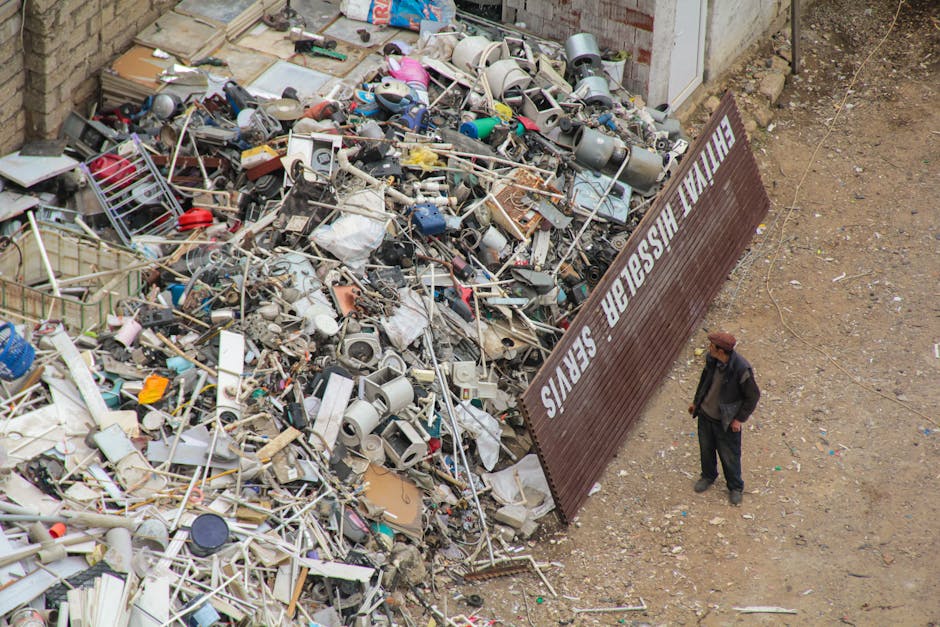
However, not every item is suitable. Councils commonly place limits around hazardous materials, construction waste, trade waste, loose rubble, paint, chemicals, or anything that needs specialist handling. If your pile includes broken tiles, plasterboard, or leftover timber from a bathroom refit, that is usually a different conversation. You may need a dedicated service like builders waste disposal in Haringey rather than a standard bulky collection.
Presentation rules matter too. Items often need to be:
- easy for crews to reach
- left at the agreed location, usually outside the property boundary
- safe to lift and carry
- prepared in a way that avoids sharp edges, loose glass, or hidden hazards
If you live in a flat, on a narrow street, or in a property with limited access, those details become even more important. A front-step collection sounds easy until the mattress cannot turn the corner and the van has nowhere legal to stop. Then everyone gets annoyed, and nobody enjoys that.
Key Benefits and Practical Advantages
Following the bulky waste rules properly is not just about being compliant. It saves time, reduces stress, and makes the whole process more predictable. That predictability is especially useful if you are juggling a move, a renovation, or a family clear-out.
Here are the main benefits:
- Fewer collection problems - If your items are listed correctly and presented well, you are less likely to face refusals or delays.
- Better use of money - Whether you use the council or a private clearance provider, good preparation helps avoid wasted visits or surprise add-ons.
- Less physical strain - Bulky items are awkward. Lifting them badly is a fast route to sore backs and pinched fingers.
- Improved recycling outcomes - Sorting items in advance can make it easier for recoverable materials to be separated from general waste.
- Cleaner handover for tenants and landlords - If you are moving out, a clear plan reduces the risk of leaving items behind and causing a dispute.
There is also a psychological benefit that people underestimate. Once the oversized clutter starts leaving the property, the space feels calmer. A room with one old sofa in it can feel oddly smaller than the same room stripped bare and swept clean. You notice the light again. Sounds a bit dramatic, but anyone who has cleared a house knows exactly what I mean.
If sustainability matters to you, the right route also helps avoid unnecessary disposal. A service that prioritises sorting and recovery can support broader recycling and sustainability efforts, which is especially useful where items can be reused, dismantled, or separated into different material streams.
Who This Is For and When It Makes Sense
This guide is useful for a fairly wide group of people, not just homeowners with a spare room full of old furniture. In practice, bulky waste issues crop up across all kinds of properties and situations.
You may need this if you are:
- moving house and need to clear unwanted furniture before completion
- finishing a tenancy and want to avoid deposit trouble
- replacing a sofa, bed, or appliance
- clearing a family home after a long period of accumulation
- emptying a small office or workspace
- dealing with garden furniture, old planters, or outdoor clutter
For office users, a bulky waste problem can look different. Old desks, filing cabinets, and chairs are often heavier than they seem, and there can be confidentiality or access issues as well. If that sounds familiar, the right route might sit closer to office clearance in Haringey than a simple council pickup.
For property owners and landlords, this also ties into preparation. The stronger your clearance plan, the easier it is to present a home well, hand over a property cleanly, or get a room back on the market without last-minute panic. If you have ever watched a Tuesday afternoon turn into a frantic removal day before new tenants arrive on Wednesday morning, you will know exactly why that matters.
And if the job is too much to split into pieces, there is no shame in choosing a more complete service. Sometimes a controlled, one-visit clearance is simply the sensible option.
Step-by-Step Guidance
Here is a practical way to approach bulky waste removal in Haringey without overcomplicating it.
- List every item you want removed. Be specific. "Furniture" is too vague. "2-seat sofa, broken bedside cabinet, one mattress" is much better.
- Separate bulky waste from general rubbish. Don't mix it with bin bags, loose recyclables, or trade waste if you can avoid it.
- Check the item type and condition. Some materials are accepted more easily than others. Items with glass, wiring, refrigerant, or contamination may need different handling.
- Measure oversized pieces. This is especially useful if items must pass through narrow hallways, basement stairs, or front gates.
- Choose your route. Decide whether you are using the council collection process, a private clearance company, or a combination of both.
- Follow placement instructions carefully. Put the items where they have been requested, and make sure there is clear access for collection.
- Keep proof of booking or written confirmation. That is handy if anything is questioned later.
If your bulky waste is part of a wider home reset, it can help to think beyond one collection. A lot of people bundle everything together, then realise half the items are actually garden debris, one cabinet is salvageable, and the rest belongs in a different clearance stream. It is worth slowing down for ten minutes at the sorting stage. Honestly, it saves a headache.
A useful rhythm is: sort, separate, measure, book, present. Simple. Not always easy, but simple.
Expert Tips for Better Results
In our experience, the smoothest bulky waste jobs are the ones where the homeowner or tenant thinks one step ahead. Not by much. Just enough to avoid the obvious snags.
- Break down what you safely can. Flat-pack furniture, removable legs, and detachable shelves reduce size and make lifting safer.
- Keep mixed materials separate. A sofa with metal legs, timber frame, and loose fabric may be fine as one item, but mixed renovation waste is another matter.
- Check for hidden contents. Drawers, cushions, and cupboards often contain forgotten odds and ends. You do not want personal documents or chargers going out with the rubbish.
- Plan for weather. Rain can make items heavier, slippery, and more awkward. A cardboard box that looked manageable at 8am can become a damp little menace by lunchtime.
- Leave a clear route. A collection team should not have to move bikes, flowerpots, or recycling boxes to reach your items.
Another good habit is to photograph the items before collection. It is not about being suspicious; it is about being organised. If something is later queried, you have a clear record of what was set out.
For bigger jobs, ask yourself a blunt question: do I really want to lift this three times, or would I rather have it handled properly once? That one question tends to clarify things.
Common Mistakes to Avoid
Most bulky waste issues are preventable. The annoying part is that the mistakes are usually small. A missing booking detail. One extra item added at the last minute. A gate left locked. Tiny things, big inconvenience.
- Putting out non-accepted waste. Hazardous materials, rubble, or trade waste can lead to refusal.
- Not checking access. A locked front gate, parked car, or awkward staircase can stop a collection dead.
- Assuming all large items are treated the same. A mattress is not handled like broken plasterboard.
- Leaving items loosely scattered. Spread-out waste is harder to collect and easier to miss.
- Mixing bulky waste with normal rubbish. This often creates confusion and can complicate the job.
- Forgetting timing rules. Set-out times matter. Leave items too early and they can become an obstruction; too late and you may miss the collection.
A quieter mistake is underestimating how much waste there really is. One wardrobe becomes two. Then the old desk appears. Then the broken garden bench. Suddenly you are dealing with far more than a single collection slot can sensibly handle. That is often the point where a broader waste removal solution in Haringey starts making better sense than piecemeal disposal.
Be honest about the scale. It is kinder to yourself in the end.
Tools, Resources and Recommendations
You do not need specialist equipment for every bulky waste job, but a few simple tools make the process less awkward.
- Measuring tape - useful for checking doorways, hallways, and item dimensions
- Gloves - especially for handling worn timber, splintered edges, or dirty items
- Marker pen and labels - handy if several people are sorting items in the same property
- Dust sheets or tarps - helpful if you need to stage items outside briefly
- Phone camera - useful for records, quotes, or confirming what needs removing
If your bulky waste is part of an overall move or property project, you may find it useful to think in stages. The wider services overview can help you understand how different clearance and removal needs fit together, especially if one job turns into three. That happens a lot with end-of-tenancy clear-outs, by the way.
For pricing questions, a straightforward starting point is to request a clear quote based on item type, volume, access, and timing. If the job looks a bit complicated, ask for a site visit or a detailed description before anything is booked. Clear pricing avoids irritation later.
You can also look at pricing and quotes information and the company's insurance and safety details if you want extra reassurance about how a job will be handled.
Law, Compliance, Standards, or Best Practice
Bulky waste disposal touches a few important standards of good practice in the UK, even if the exact collection rules vary by council. At the simplest level, waste should be handled responsibly, kept separate where possible, and passed only to people or services that are set up to deal with it correctly.
There are a few practical principles worth keeping in mind:
- Duty of care - if you produce waste, you should take reasonable steps to ensure it is passed on properly.
- Safe handling - heavy and awkward items should be moved in a way that reduces injury risk.
- Proper segregation - mixed waste is harder to manage and may reduce recycling opportunities.
- Special handling for specific items - appliances, contaminated materials, and hazardous waste may need different arrangements.
That is the general picture. The exact dos and don'ts depend on the item and the provider, which is why checking the current council guidance is still the best first step. If you are using a private contractor, make sure they are clear about what they collect, how they sort waste, and how they handle materials that should not go into ordinary disposal routes.
For businesses, compliance becomes even more important. Office and trade waste should not be treated casually, because the wrong disposal route can create bigger problems later. Better to ask a few boring questions now than solve a messy problem afterwards. Nobody wants that phone call.
Options, Methods, or Comparison Table
There are usually three sensible ways to deal with bulky waste in Haringey: use the council collection route, arrange a private bulky waste removal, or combine removal with a larger clearance service. Which one is best depends on volume, access, timing, and the type of items involved.
| Option | Best for | Strengths | Potential drawbacks |
|---|---|---|---|
| Council bulky collection | Small to moderate household items that fit the rules | Often straightforward, suitable for simple clear-outs | May have booking constraints, item limits, or strict presentation rules |
| Private bulky waste removal | Faster turnaround, awkward access, or mixed items | Flexible timing, can handle larger or more varied loads | Usually costs more than a basic council collection |
| Full property clearance | House moves, probate clearances, landlord jobs, office clear-outs | Efficient for larger volumes and multi-room jobs | May be more service than you need for one or two items |
A practical way to decide is to ask: do I have one or two bulky items, or is this really a clear-out disguised as a quick collection? If it is the latter, a broader house or office clearance route is often smoother. That includes situations where you are dealing with furniture, paperwork, appliances, and general clutter all at once.
Case Study or Real-World Example
Here is a realistic example. A family in a Haringey terrace was getting ready to repaint and rent out the property after a relative moved into care. The front bedroom held an old double bed, a mattress, two bedside tables, a chest of drawers, and a stack of broken flat-pack panels. At first glance, it looked like a simple bulky collection job.
Once they checked the items properly, they realised the flat-pack panels included screws, chipped laminate, and mixed materials. The mattress and bed frame could be dealt with as bulky waste, but the broken panels were better treated as part of a broader clearance. The hallway was tight, the street parking was limited, and one of the items had to be carried down a narrow stairwell with a turn halfway through. Not ideal.
They split the problem into two parts: the reusable furniture went one way, the rest went through a more suitable clearance arrangement. The result was less lifting, fewer surprises, and a cleaner end-of-job handover. Nothing flashy. Just sensible planning.
That is often how these jobs go in the real world. The quickest solution is not always the one that looks quickest at the beginning. Sometimes it is the one that saves you from doing the same task twice.
Practical Checklist
Use this before you book or set anything out for collection:
- Identify every item you want removed.
- Separate bulky waste from ordinary rubbish.
- Check whether any item needs special handling.
- Measure items if access looks tight.
- Confirm your collection instructions carefully.
- Clear access routes inside and outside the property.
- Remove personal items, documents, and valuables.
- Photograph the waste if you want a clear record.
- Decide whether the job is a simple bulky collection or a broader clearance.
- Keep booking confirmation and any notes in one place.
If the list starts feeling longer than the actual job, that is often your clue to step back and choose a more complete removal option.
Conclusion
The simplest way to deal with bulky waste in Haringey is to start with the rules, not the rubbish pile. Once you know what the council accepts, how items must be presented, and where your job sits between a basic pickup and a larger clearance, the whole process becomes much easier to manage. That is really the heart of this guide: less guessing, fewer delays, and a cleaner result.
For small, straightforward jobs, a council collection may be enough. For larger, mixed, awkward, or time-sensitive clear-outs, a private service is often the more practical choice. Either way, good preparation makes a noticeable difference. It saves lifting, reduces confusion, and helps you move from clutter to clear space without the usual drama.
Get a free quote today and see how much you can save.
If you are planning a bigger project, it can also help to learn more about the company behind the service at about the team or review how they approach payment and security before you book. Small details, but they add confidence.
And if this guide has helped you breathe a little easier, good. That is usually the first sign the job is becoming manageable.

From a young age, Blair has cultivated a passion for order, which has now matured into a prosperous profession as a waste removal specialist. She derives satisfaction from transforming disorderly spaces into practical ones, aiding clients in conquering the burden of clutter.
 Tipper Van - Rubbish Removal and Rubbish Clearance Prices in Haringey, N4
 Luton Van - Rubbish Removal and Rubbish Clearance Prices in Haringey, N4