Crouch End garden waste removal guide for households
Posted on 22/06/2026
If you live in Crouch End and your garden has become a bit of a "we'll sort it next weekend" situation, you are not alone. Hedge cuttings, broken pots, old turf, a pile of branches after a windy day - it builds up quickly, especially in the small but beautifully used outdoor spaces many households have in this part of North London. This Crouch End garden waste removal guide for households breaks down what to remove, how to sort it, when to book help, and how to avoid the usual headaches. No fluff. Just practical advice that makes the job feel properly manageable.
You will also find a simple checklist, a comparison of disposal options, and a realistic example of how a typical household might tackle a garden clear-out without turning the whole thing into a weekend-long drama. To be fair, garden waste looks lighter than it feels once it starts multiplying.
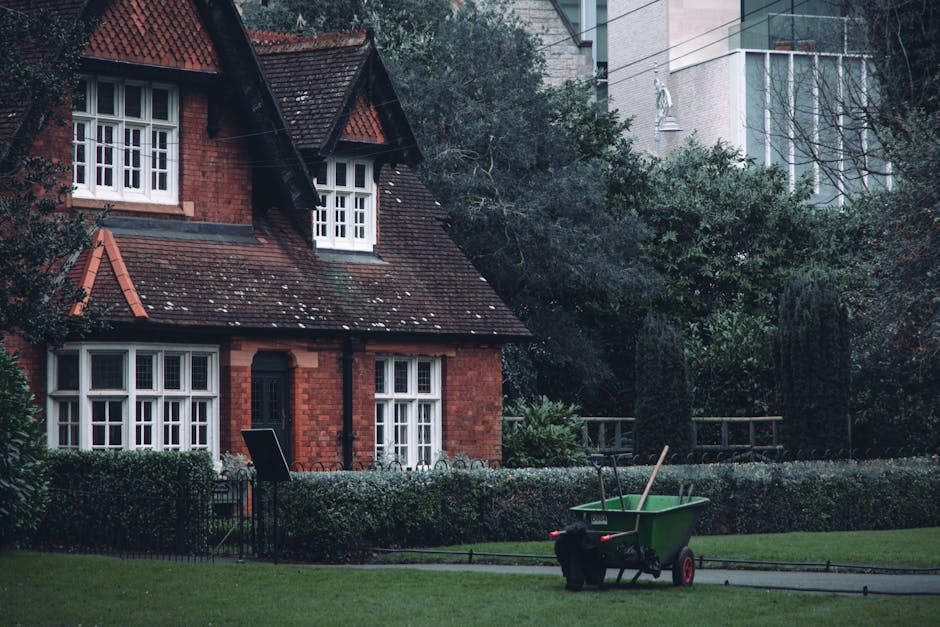
Why Crouch End garden waste removal guide for households Matters
Garden waste is not just "green stuff". In a household setting, it often includes mixed materials: grass cuttings, leaves, prunings, dead plants, soil, old compost, broken fence panels, pots, and sometimes bags of soil or heavy stone that were left behind after a quick tidy-up. Once it piles up, it can attract pests, smell unpleasant when wet, and make a garden feel smaller and harder to use.
In Crouch End, where many homes have modest gardens, courtyards, terraces, or shared outdoor areas, keeping waste under control matters even more. Space is limited, access can be awkward, and carrying heavy bags through hallways or down narrow side passages is rarely anyone's favourite job. There is also the simple issue of time. Most households do not want to spend half the weekend making repeated trips to a recycling centre or trying to work out what goes where.
That is where a clear, household-friendly approach helps. If you start with the right sorting process, garden clearance feels less like a chore and more like a tidy reset. And if the waste is too bulky or too much for your own bin system, a professional collection can save a lot of effort.
For broader household clear-outs beyond the garden, many people also look at general rubbish clearance in Haringey when the job spills into sheds, lofts, or side returns.
How Crouch End garden waste removal guide for households Works
Garden waste removal usually starts with separating what can be composted, what can be recycled, and what needs to be taken away as mixed rubbish. That sounds simple, and often it is, but the success of the process depends on a few practical details: weight, access, timing, and whether the materials are clean and uncontaminated.
For households, the process typically looks like this:
- Gather the waste into one or more areas of the garden or driveway.
- Sort the materials into green waste, soil, wood, and mixed rubbish.
- Bag or stack items safely so they can be lifted without tearing or spilling.
- Decide on the disposal route: council collection, self-haul, reuse, composting, or a private clearance service.
- Load and remove the waste, then sweep and check for sharp debris.
If you are booking help, a good provider will usually ask what type of waste you have, how much there is, and whether there are access limits such as stairs, narrow paths, or parking restrictions. That is not them being fussy. It is what makes the collection smoother and less expensive in the long run.
Households dealing with bigger clean-ups - perhaps after landscaping, hedge cutting, or moving into a new place - may also benefit from understanding your rubbish removal needs before choosing a service method.
Key Benefits and Practical Advantages
There are real reasons people choose a structured garden waste removal plan instead of just hoping the heap shrinks on its own. It rarely does, sadly.
- Less clutter, more usable space - Clearing old branches, bags, and cuttings makes a small Crouch End garden feel bigger straight away.
- Safer pathways - Loose canes, wet leaves, and broken pots become trip hazards fast.
- Better garden health - Removing diseased plants and decaying material can help reduce spread and improve airflow.
- Faster seasonal resets - A tidy clear-out makes spring planting or autumn prep easier to manage.
- Less strain on the household - Heavy lifting, repeated journeys, and awkward carrying are all reduced.
- Cleaner appearance for visitors or property viewings - This matters if you are preparing a home for sale or rent.
There is also a sustainability angle. If your waste is separated properly, more of it can be routed for composting or recycling rather than mixed disposal. That is usually better for the environment and often better for your own peace of mind too.
If sustainability matters to you, it is worth reading a provider's approach to recycling and sustainability before you book anything. The way waste is handled after collection matters just as much as the collection itself.
Who This Is For and When It Makes Sense
This guide is mainly for households, not commercial landscaping teams. It suits people who want a practical, local way to deal with home garden waste without overcomplicating the process.
It makes sense if you are:
- doing a one-off garden tidy-up after winter;
- cutting back hedges, shrubs, or small trees;
- refreshing a lawn or border;
- removing soil, turf, or old planting materials;
- clearing out a neglected garden before a family event;
- preparing a home for sale, rent, or renovation;
- dealing with accumulated waste after several weekends of "I'll do a bit at a time".
It may also be relevant if you live in a house with limited outdoor storage. In Crouch End, that is pretty common. Many households do not have room to keep bags of cuttings waiting around for the next bin day, especially when the weather turns damp and everything starts to smell a bit earthy and unhelpful.
If you are moving home or managing a larger household clear-out at the same time, the same planning mindset applies to house clearance in Haringey and not just the garden.
Step-by-Step Guidance
If you want this to be painless, follow a simple sequence. Nothing fancy. Just a steady approach.
1. Walk the garden before you start
Take a slow look around and identify the waste types. You are checking for green waste, mixed rubbish, heavy items, and anything sharp or awkward. It sounds basic, but people often miss hidden bits under ivy, behind sheds, or in the back corner where old plant pots gather like they own the place.
2. Separate green waste from mixed waste
Green waste usually includes grass cuttings, leaves, weeds, hedge trimmings, and plant prunings. Mixed waste can include old timber, plastic pots, broken tools, ties, and damaged garden furniture. Separation matters because it can affect both disposal method and price.
3. Remove anything reusable
Before disposal, check whether compostable material can be kept for mulch, whether healthy branches can be chipped, or whether pots, edging, and wooden items can be reused. You do not need to save everything. Just the sensible bits.
4. Bag and stack carefully
Use strong bags that can handle damp cuttings without splitting. Keep bags to a manageable weight. If you are lifting them yourself, do not overpack. Really, do not. Wet garden waste gets heavy fast, and one torn bag can create a mess across the path in about two seconds flat.
5. Make access easy
Clear a route from the garden to the front of the property or collection point. Move bikes, plant pots, shoes, bins, and anything else that might block the path. If you have a narrow passage or side gate, measure it if necessary. That small detail can save a lot of back-and-forth on the day.
6. Choose the right disposal route
Depending on volume and type, you can compost, use council services, self-haul, or arrange a private collection. If the waste is bulky, mixed, or time-sensitive, a professional route is usually easier. If you want a broader view of available options, the page on services overview can help you understand how different clearance services fit together.
7. Final sweep and check
Once the waste is gone, sweep up small twigs, bits of compost, and sharp fragments. Check flower beds, patios, and drains. It is the final ten minutes that make the garden feel properly finished.
Expert Tips for Better Results
A few practical habits make household garden clearance much smoother. These are the sort of details people often learn the hard way.
- Do not mix soil with light green waste unless you have to. Soil is heavy and usually changes the handling of the whole load.
- Cut large branches down before collection. Shorter lengths are easier to stack and safer to carry.
- Keep wet waste separate if possible. It gets heavier, smellier, and more awkward to move.
- Work in stages for larger gardens. One clear pile, one sort, one load. It stops the chaos from spreading.
- Think about timing. After rain, everything weighs more. On a dry morning, the same job can feel half as hard.
Another useful tip: if your household is also planning work that creates rubble, timber, or renovation debris, garden waste removal may need to be combined with builders waste disposal in Haringey. Mixed project waste needs more careful sorting than people expect.
Practical summary: the cleanest garden clear-ups usually come down to three things - sort early, lift safely, and choose a disposal method that matches the real volume of waste, not the imagined one.
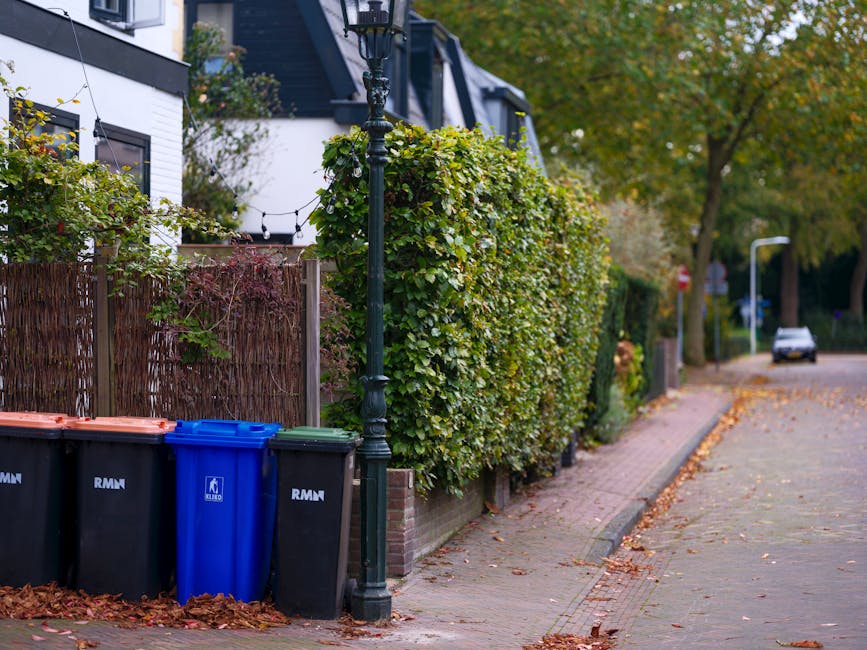
Common Mistakes to Avoid
A lot of household garden waste problems come from small, avoidable mistakes rather than big ones. Here are the usual culprits.
- Leaving waste in bags for too long - Bags split, liquids leak, and the pile becomes unpleasant to handle.
- Assuming all garden waste is the same - It is not. Soil, wood, branches, and green cuttings are handled differently.
- Overloading bins or bags - This creates lifting issues and can damage containers.
- Forgetting access - A collection point that looks fine at first glance can be useless if a wheelbarrow will not fit through it.
- Not checking for hidden sharp items - Broken glass, metal spikes, and snapped canes are easy to miss.
- Booking too late - If the garden is already in the way of daily life, the job tends to feel bigger by the day.
There is also a money mistake people make: not asking what is included. A quote should be clear about labour, loading, and disposal expectations. If it is not, ask. Better a slightly awkward question now than a surprise later. For more guidance on that, the advice on avoiding hidden fees on rubbish clearance in Haringey is worth a look.
Tools, Resources and Recommendations
You do not need a shed full of specialist kit to clear garden waste properly, but a few tools make a very real difference.
Useful household tools
- heavy-duty rubble or garden bags;
- garden gloves with a decent grip;
- pruning shears or loppers;
- a rake and broom;
- a wheelbarrow or garden trolley;
- dustpan and shovel for small debris;
- tarpaulin for moving loose waste.
Helpful planning points
- decide where the waste will be gathered before you start;
- keep a separate area for sharp or awkward items;
- check whether you need help moving waste through the property;
- take photos of larger piles if you are requesting a quote;
- make a note of parking or access restrictions near your home.
For households comparing service styles, pricing and quotes is a useful page to review because it frames the kinds of information providers normally need from you. That alone can save time.
If you are checking the background of a company before you book, it can also be reassuring to read about the team behind the service. Local trust matters, especially when someone is handling access to your home.
Law, Compliance, Standards and Best Practice
Without turning this into a legal lecture, there are a few sensible rules and expectations households should keep in mind. Garden waste should not simply be dumped anywhere convenient. It needs to be handled responsibly, stored safely before collection, and passed to a legitimate disposal route.
Best practice usually means:
- keeping garden waste separate from general household rubbish where possible;
- avoiding contamination with paint, oil, batteries, or chemicals;
- checking that the collection provider follows proper disposal and recycling processes;
- being careful with sharp items, treated timber, and heavy soil;
- ensuring waste is not left in a place that blocks shared access or causes a nuisance.
Households should also remember that not every item from the garden counts as simple green waste. Pressure-treated wood, plastic furniture, broken ceramics, and renovation offcuts may be treated differently. If you are unsure, ask before loading. A short clarification upfront is usually easier than untangling mixed waste later.
Good providers should also be clear about insurance and safety. That is not a box-ticking exercise; it matters when heavy bags, awkward access, or tight stairways are involved.
Options, Methods, or Comparison Table
There is no single "best" method for every household. The right choice depends on volume, access, time, and how much physical effort you want to spend. Here is a straightforward comparison.
| Method | Best for | Pros | Limitations |
|---|---|---|---|
| Composting at home | Leaves, grass, soft green waste | Low cost, environmentally friendly, useful for soil improvement | Slow, not suitable for everything, needs space |
| Council-style disposal | Smaller household volumes | Can be straightforward if you have the right system | Limited capacity, timing may be inconvenient, some waste types may not be accepted |
| Self-haul to a facility | Households with access to a vehicle | Control over timing, no need to wait for a collection slot | Physical effort, loading time, vehicle space limits, awkward for bulky material |
| Private garden waste collection | Bulky, mixed, or time-sensitive clear-outs | Convenient, fast, less lifting, handles larger loads well | Cost depends on volume and access |
For many Crouch End households, the deciding factor is not what sounds cheapest on paper, but what saves the most time and hassle in a cramped outdoor space. That is especially true when the garden is down a side passage or the waste is spread across several corners rather than in one neat pile.
Case Study or Real-World Example
Here is a very ordinary example, which is often the most useful kind.
A household in Crouch End has spent a couple of weekends cutting back an overgrown border, clearing ivy from a fence, and taking out an old timber planter that had finally given up. By Sunday afternoon, they have a mix of green clippings, a stack of rotting wood, two cracked pots, and a small mound of soil from replanting. Not dramatic, but enough to block the patio and make the garden feel unfinished.
They start by separating the green waste from the timber and hard items. Next, they bag the clippings, stack the branches, and keep the soil in a separate pile. They make sure the side gate is clear and measure the narrowest point just to avoid a surprise. When they realise the waste is more than their own bin options can handle comfortably, they arrange a collection instead of trying to drag everything out in bits over several weeks.
The result is not glamorous. But it is effective. The patio is usable again, the bins are not overflowing, and the household gets their evening back. That is often what this kind of service is really about: removing a nagging job that has started to take up too much mental space.
Practical Checklist
Use this before you book or begin the clearance.
- Identify all garden waste types: green waste, soil, wood, mixed rubbish.
- Check for sharp objects, nails, glass, or metal fragments.
- Separate reusable or compostable material where practical.
- Make sure bags are strong and not overfilled.
- Clear a route from the garden to the front access point.
- Note any parking, stair, or gate restrictions.
- Decide whether you want collection, self-haul, or composting.
- Ask what is included in the service before agreeing a booking.
- Keep pets and children away from the work area.
- Do a final sweep once the waste has gone.
If the job is part of a wider clean-up, it may also help to review waste removal in Haringey so you can match the disposal method to the full job, not just the garden section.
Conclusion
Garden waste removal in Crouch End does not need to be complicated. In most households, the process works best when you sort early, keep access clear, and choose a disposal route that fits the real size of the job. A small pile of hedge cuttings might be easy enough to manage yourself. A mixed heap of branches, turf, soil, and old garden junk may be better handled as a proper collection.
The aim is simple: make the garden usable again, reduce the stress of dealing with waste, and avoid the messy middle where bags sit around for days and the task gets bigger in your head than it really is. Truth be told, once the waste is gone, the garden often feels calmer straight away.
For households wanting a clear, professional route, it helps to compare service details, check safety standards, and choose a team that understands local access challenges. Small garden, big job? Happens all the time.
Get a free quote today and see how much you can save.
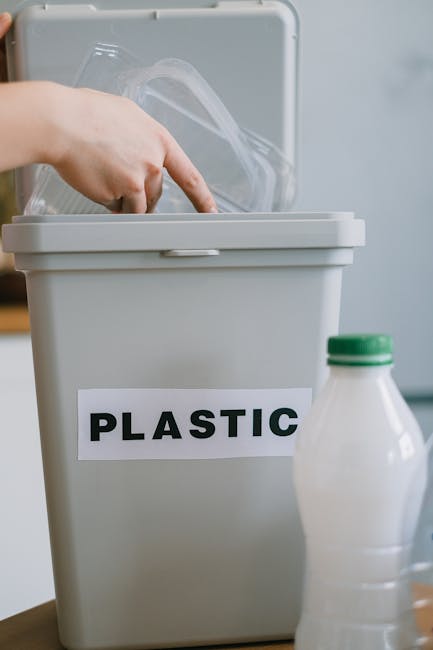

From a young age, Blair has cultivated a passion for order, which has now matured into a prosperous profession as a waste removal specialist. She derives satisfaction from transforming disorderly spaces into practical ones, aiding clients in conquering the burden of clutter.
 Tipper Van - Rubbish Removal and Rubbish Clearance Prices in Haringey, N4
 Luton Van - Rubbish Removal and Rubbish Clearance Prices in Haringey, N4